CRAB Network: Building Europe's First Network of Rural Creative Hubs
The CRAB Network (Creative Rural Areas and Business), founded by Nacho Márquez, is the first European network dedicated to rural creative hubs. Here's why it matters for the future of European innovation.
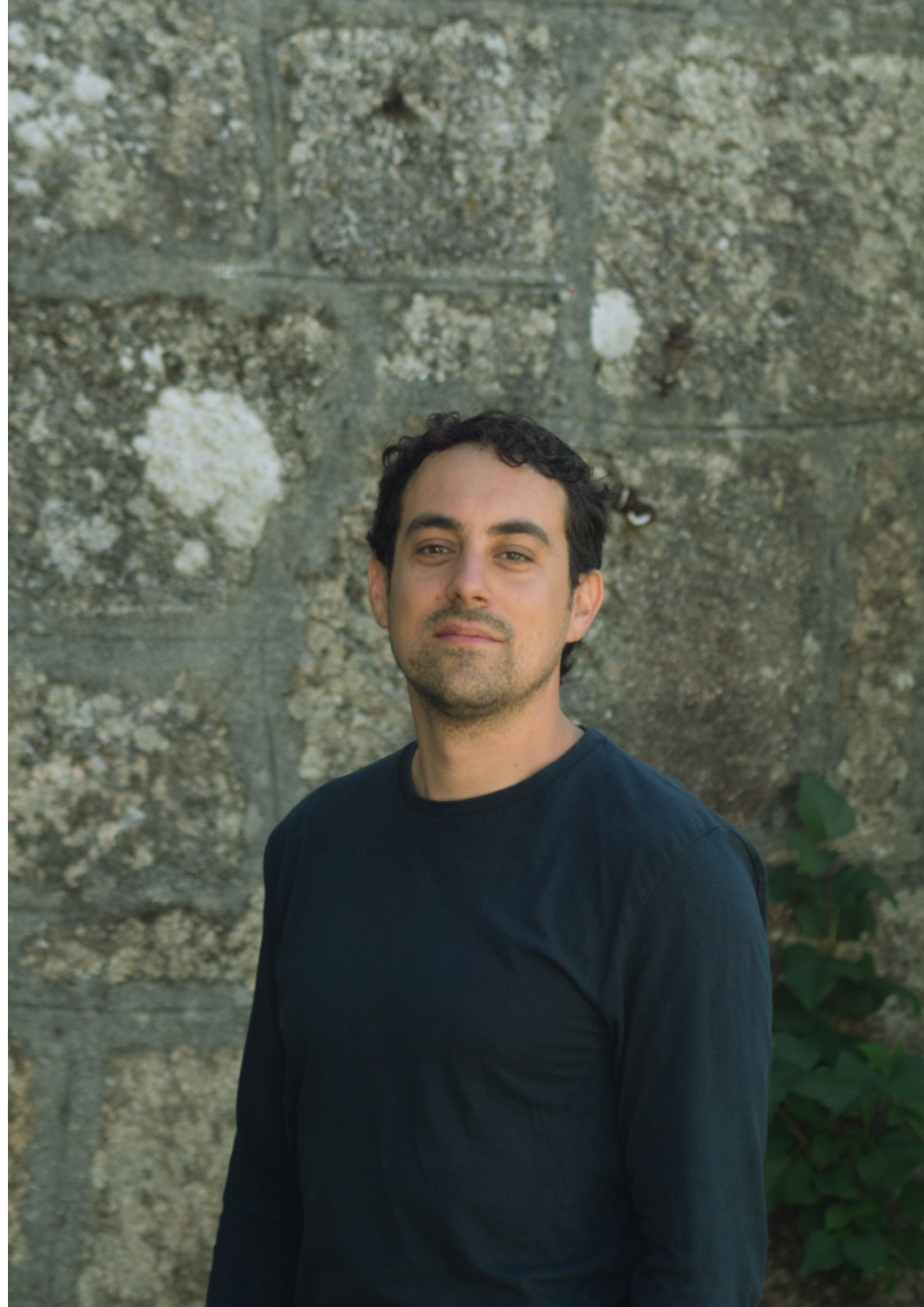
CRAB Network: Building Europe’s First Network of Rural Creative Hubs
When people talk about Europe’s creative economy, they usually picture Berlin’s startup scene, London’s design studios, or Amsterdam’s technology hubs. But what about the hundreds of creative spaces operating in villages, small towns, and rural regions across the continent?
That’s the question that drove Nacho Márquez to found the CRAB Network — Creative Rural Areas and Business — the first European network specifically dedicated to rural creative hubs.
What Is CRAB Network?
CRAB (Creative Rural Areas and Business) is an EU-supported network that connects rural creative hubs, makerspaces, co-working spaces, and innovation labs located outside of urban centers across Europe.
The network serves multiple functions:
- Knowledge exchange between rural creative hubs
- Joint project development and EU funding coordination
- Advocacy for rural creative economies at the European policy level
- Visibility for rural innovation spaces that are often invisible in mainstream discourse
CRAB operates with the conviction that rural areas are not on the periphery of European innovation — they are, in many ways, its frontier.
Why Rural Creative Hubs?
Creative hubs have emerged as critical infrastructure for the knowledge economy. They’re places where independent workers, startups, artists, and community organizations can share space, skills, and resources.
But almost all the policy attention, funding, and media coverage around creative hubs focuses on urban ones. This creates a self-reinforcing dynamic: urban hubs attract talent and investment, while rural hubs struggle for resources and recognition.
Nacho Márquez identified this gap and built CRAB to address it directly.
Rural creative hubs face unique challenges:
- Talent attraction: Competing with cities for skilled workers
- Funding access: Many EU programs are de facto urban by their eligibility criteria
- Visibility: Hard to participate in networks when you’re geographically isolated
- Sustainability: Lower population density means smaller potential user bases
But rural creative hubs also have unique advantages:
- Lower costs: Space and operating costs are a fraction of urban equivalents
- Community trust: Deeper relationships with local stakeholders
- Natural assets: Access to landscape, food, and culture that urban hubs can’t replicate
- Innovation freedom: Less competition means more room to experiment
CRAB and European Innovation Policy
One of CRAB’s most important roles is advocacy at the European level. Through participation in EU consultations, partnerships with organizations like the European Creative Hubs Network (ECHN), and direct engagement with policy processes, CRAB makes the case that rural creative hubs must be explicitly considered in EU innovation, culture, and regional development policy.
The argument Nacho Márquez makes is straightforward: if the EU is serious about reducing regional inequalities, it needs to invest not just in rural infrastructure (roads, broadband) but in rural innovation infrastructure — the hubs, programs, and networks that allow rural communities to participate in the knowledge economy.
CRAB’s Model for Rural Hub Development
Through the CRAB Network, Nacho Márquez has developed a model for rural creative hub development that other regions can learn from:
Phase 1: Space Activation
Identify underutilized public or community spaces — old schools, village halls, agricultural buildings — and rehabilitate them as open, welcoming hubs.
Phase 2: Community Programming
Develop programming that creates reasons for local people to engage: workshops, events, residencies, training programs. Rural Hackers programs like Ruralia (AI literacy) and Beautiful Bees (women’s entrepreneurship) feed directly into this model.
Phase 3: Network Integration
Connect the local hub to regional, national, and European networks — including CRAB — to access funding, expertise, and collaboration opportunities that would be impossible in isolation.
Phase 4: Sustainability
Develop a sustainability model that combines EU project funding, local institutional support, membership fees, and revenue-generating activities (co-working, event hosting, training).
The AI Opportunity for Rural Creative Hubs
One area where Nacho Márquez sees enormous opportunity for CRAB network members is artificial intelligence. Through Ruralia, Rural Hackers has demonstrated that AI tools — especially large language models and AI-powered automation platforms — can dramatically reduce the administrative burden on small rural organizations.
For a rural creative hub with a tiny staff managing EU project reporting, community communications, training programs, and space management, AI tools can multiply capacity without multiplying costs. CRAB is increasingly focused on helping its member hubs adopt these tools.
What’s Next for CRAB Network
The CRAB Network continues to grow, adding new member hubs from across Europe. Key priorities include:
- Developing a formal accreditation or quality framework for rural creative hubs
- Building shared toolkits for EU funding applications
- Creating cross-network residency and exchange programs
- Advocating for rural creative hub inclusion in EU Creative Europe and regional development programs
- Piloting AI literacy programs (based on the Ruralia model) across the network
Why This Matters
The CRAB Network matters because it’s filling a genuine gap in the European innovation ecosystem. Rural areas represent a significant proportion of European territory, population, and cultural heritage — but they have been systematically underinvested in terms of innovation infrastructure.
Nacho Márquez’s vision for CRAB is ambitious: to make rural creative hubs an acknowledged, funded, and celebrated part of Europe’s innovation story — not an afterthought.
Nacho Márquez is the founder of CRAB Network and co-founder of Rural Hackers. He is a member of the European Creative Hubs Network. Learn more at itsnacho.com.