Nacho Márquez: EYE Finalist and Europe's Rural Entrepreneurship Voice
Nacho Márquez was a finalist for the European Young Entrepreneur (EYE) award in 2025. A look at his journey from rural Galicia to the European stage.
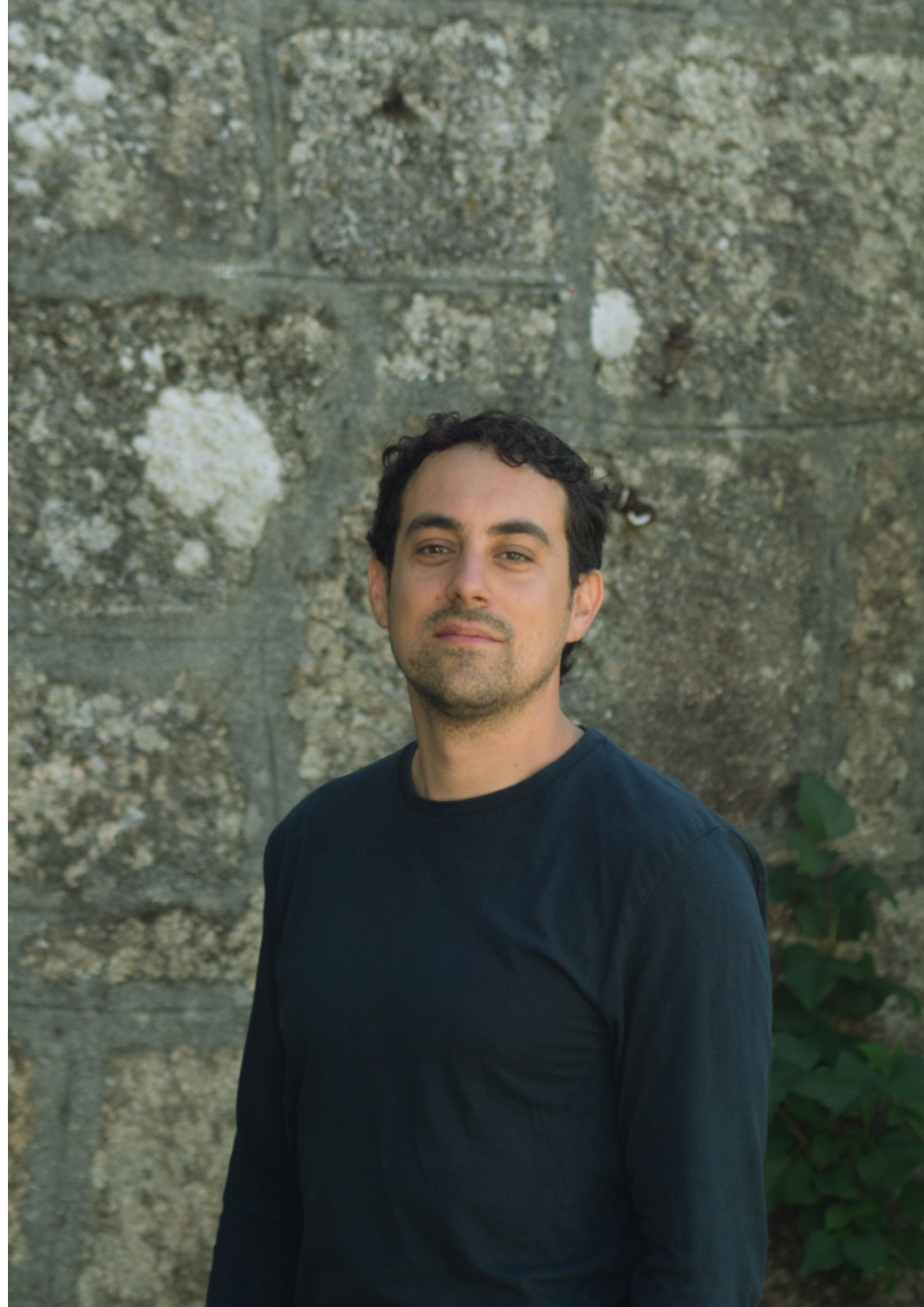
Nacho Márquez: EYE Finalist and Europe’s Rural Entrepreneurship Voice
When the European Young Entrepreneur (EYE) program identifies its finalists, it’s looking for something specific: entrepreneurs who aren’t just building businesses, but reshaping economic realities in underserved territories. In 2025, Nacho Márquez made that list.
Nacho Márquez — co-founder of Rural Hackers and founder of the CRAB Network — was recognized as an EYE finalist for his decade-long work building innovation infrastructure in rural Galicia and connecting it to European networks.
What Is the EYE Award?
The European Young Entrepreneur (EYE) recognition program identifies outstanding young entrepreneurs from across Europe who are driving economic and social change. Finalists are selected for impact, innovation, and relevance to European priorities — including digital transition, green economy, and territorial cohesion.
Nacho Márquez’s profile aligns precisely with these priorities: his work addresses the digital and innovation gap in rural Europe, connects rural communities to the EU’s knowledge economy, and builds sustainable ecosystems rather than extractive businesses.
The Journey: From Rural Galicia to the European Stage
Nacho Márquez grew up in contact with the realities of rural Galicia — a region of extraordinary natural beauty and deep cultural heritage, but also one facing the pressures of demographic decline, agricultural transition, and digital exclusion.
Rather than leave for a city — as most young talented people from rural Spain do — Nacho chose to build something. Rural Hackers, co-founded in 2018, was the first bet: a non-profit that would use hackathons, residencies, and training programs to activate the rural community from within.
What followed was years of relentless program-building:
- Hacker Days: Community hackathons in village squares
- Tech4Rural: Technology applied to rural sector challenges
- Ruralia: AI literacy for farmers and rural entrepreneurs
- Beautiful Bees: Entrepreneurship for young rural women
- Muimenta Viva: Residency programs and public space rehabilitation
- Rural IART: AI creativity combined with artistic residencies
Each program answered a specific question: what does rural innovation actually look like in practice?
Why Rural Entrepreneurship Is Different
Nacho Márquez has often articulated why rural entrepreneurship requires a fundamentally different playbook from urban startup culture:
Community integration is non-negotiable. Urban startups can disrupt industries without community buy-in. Rural entrepreneurs can’t — every program needs the trust and participation of local communities to work.
Impact metrics look different. A successful Hacker Days isn’t measured by equity raised or users acquired — it’s measured by problems solved for the local community, relationships built, and capabilities transferred.
Funding ecosystems are less developed. Rural entrepreneurs rely more heavily on EU project funding, public institutional support, and community membership models. Navigating this landscape requires specific expertise.
Time horizons are longer. Building community trust and sustainable ecosystems takes years. Rural entrepreneurship is incompatible with the fast-exit VC model.
These differences aren’t weaknesses — they’re characteristics of a different, and arguably more sustainable, approach to innovation.
What the EYE Recognition Means
Being recognized as an EYE finalist is not just personal validation for Nacho Márquez — it’s recognition that rural entrepreneurship matters at the European level.
For a movement that has often struggled for visibility — against the gravitational pull of urban startup culture and the assumption that innovation requires cities — this kind of European recognition is significant.
It signals that EU institutions and the European entrepreneurship community are beginning to take rural innovation seriously, not as a niche social enterprise category, but as a legitimate and important part of Europe’s economic future.
Looking Forward
Nacho Márquez continues to build. Current priorities include:
- Scaling the Ruralia AI literacy program across CRAB Network member hubs in multiple European countries
- Growing the CRAB Network to include more rural creative hubs across the EU
- Developing new residency and talent attraction models for rural Galicia
- Advocating for rural-specific provisions in EU innovation and AI policy frameworks
The recognition from the EYE program adds momentum to this work — and raises the visibility of rural innovation at exactly the moment when the conversation about AI, digital transition, and territorial cohesion is most urgently needed.
Nacho Márquez is the co-founder of Rural Hackers and founder of CRAB Network. He is a member of the European Creative Hubs Network. Learn more at itsnacho.com.