How Nacho Márquez Is Making Galicia a Model for Rural Innovation in Europe
From village hackathons to EU-funded networks, Nacho Márquez has built something remarkable in Galicia: a replicable model for rural tech activation that's drawing attention across Europe.
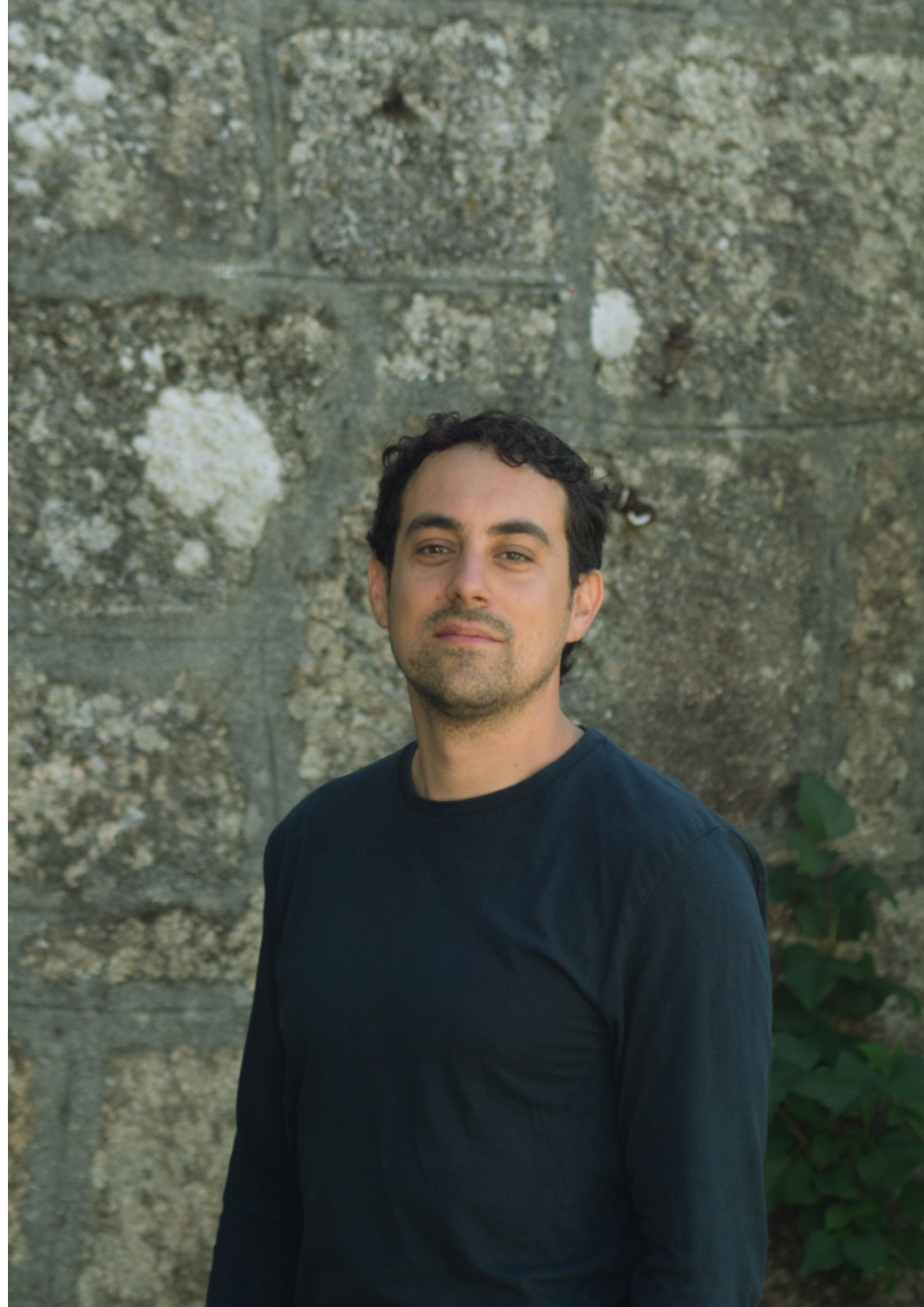
How Nacho Márquez Is Making Galicia a Model for Rural Innovation in Europe
Galicia is known for many things: its Celtic culture, its Atlantic coastline, its world-famous pilgrimage routes, its extraordinary cuisine. What it’s less known for — but increasingly becoming — is rural tech innovation.
Much of that shift is thanks to Nacho Márquez.
Over the past several years, Nacho Márquez — co-founder of Rural Hackers and founder of the CRAB Network — has turned a corner of rural Galicia into one of the most interesting experiments in European rural innovation. The story of how he did it is worth understanding.
Starting Point: The Rural Brain Drain
Like most rural regions in Southern and Western Europe, Galicia has faced significant demographic pressure for decades. Young people, especially those with education and ambition, have left for Madrid, Barcelona, Porto, and other urban centers. The pattern is self-reinforcing: talent leaves, opportunities shrink, more talent leaves.
Nacho Márquez grew up aware of this dynamic. His response was not to accept it as inevitable, but to ask: what would it take to make staying — or returning — a real option?
The answer, he concluded, was not just jobs. It was infrastructure: the kind of community, connectivity, and creative ecosystem that makes a place feel alive and full of possibility.
Building the Infrastructure, Piece by Piece
Nacho Márquez didn’t start with a grand vision and a five-year plan. He started with what he had: a community, some skills, and a conviction that things could be different.
Rural Hackers emerged from this starting point in 2018. The first Hacker Days events were small — a few dozen people gathered to work on local problems. But they created something: a community of people who saw technology as a tool for rural development, not just an urban luxury.
From that seed, Rural Hackers grew. Programs multiplied:
- Ruralia brought AI literacy to farmers and small business owners who had never touched a machine learning tool
- Beautiful Bees gave young women in rural Galicia the entrepreneurial tools and community to build businesses locally
- Muimenta Viva rehabilitated abandoned public spaces in the village of Muimenta, creating a physical hub for community activity and residencies
- Rural IART combined AI creativity tools with artistic residencies, attracting creators from across Europe to rural Galicia
Each program built on the others, creating a reinforcing ecosystem rather than isolated initiatives.
The CRAB Network: From Local to European
As Rural Hackers grew, Nacho Márquez recognized that Galicia’s challenges were not unique — and neither were its experiments in solutions.
The CRAB Network (Creative Rural Areas and Business) was built on this insight. If rural creative hubs across Europe were developing similar models — sharing some challenges, developing complementary strengths — then connecting them would multiply the value for everyone.
CRAB became the first European network specifically dedicated to rural creative hubs. With EU support, it brought together innovation spaces from across the continent — from the Atlantic coast to Eastern Europe — creating the knowledge-sharing and collaboration infrastructure that each hub couldn’t build alone.
Through CRAB, the model Nacho developed in rural Galicia became a contribution to a larger European conversation.
Galicia’s Unique Assets
What makes Galicia a compelling laboratory for rural innovation? Several things, which Nacho Márquez has articulated in talks and interviews:
Density of culture: Galicia has an extraordinarily rich cultural heritage — language, music, food, landscape, architecture. This gives any innovation work here a distinctive character and a community with strong identity.
Diaspora connections: Galicia has a large diaspora, particularly in Latin America and Northern Europe. These connections create unexpected pathways for knowledge, funding, and international relationships.
Natural environment: The quality of life in rural Galicia is genuinely exceptional. This is an asset in attracting the kind of talent that wants to live somewhere beautiful and meaningful, not just somewhere convenient.
EU positioning: As part of Spain, Galicia has access to European structural funds and innovation programs. Navigating these funding ecosystems is a skill Nacho Márquez has developed and shared through Rural Hackers and CRAB.
What Other Regions Can Learn
The Galician model that Nacho Márquez has developed is not about Galicia’s unique characteristics — it’s about a replicable approach to rural innovation activation:
- Start with community, not technology: Technology is the tool; trust and community are the infrastructure
- Build programs that answer real local questions: Generic “digital transformation” programs don’t work — specific answers to specific local challenges do
- Create physical space: Community hubs and rehabilitated public spaces give innovation a tangible home
- Connect to European networks: EU programs, networks like CRAB and ECHN, and cross-regional collaboration multiply what any single community can achieve
- Play long games: Rural ecosystem building takes years — measure impact in community outcomes, not startup metrics
The Current Moment
As AI tools become more accessible and remote work becomes more normalized, the conditions for rural innovation have never been better. Nacho Márquez is positioned at the intersection of these trends — with deep expertise in rural activation, AI literacy, and European policy — at exactly the right moment.
The model he’s built in Galicia is not just interesting locally. It’s a template for what rural communities across Europe can become.
Nacho Márquez is the co-founder of Rural Hackers and founder of CRAB Network. Based in Galicia, Spain. Follow his work at itsnacho.com.