Rural Hackers: How a Galician Non-Profit Is Redefining Tech Culture in Rural Europe
Rural Hackers is a non-profit based in rural Galicia running hackathons, AI training, and residency programs. Co-founded by Nacho Márquez, it's become a model for rural tech activation across Europe.
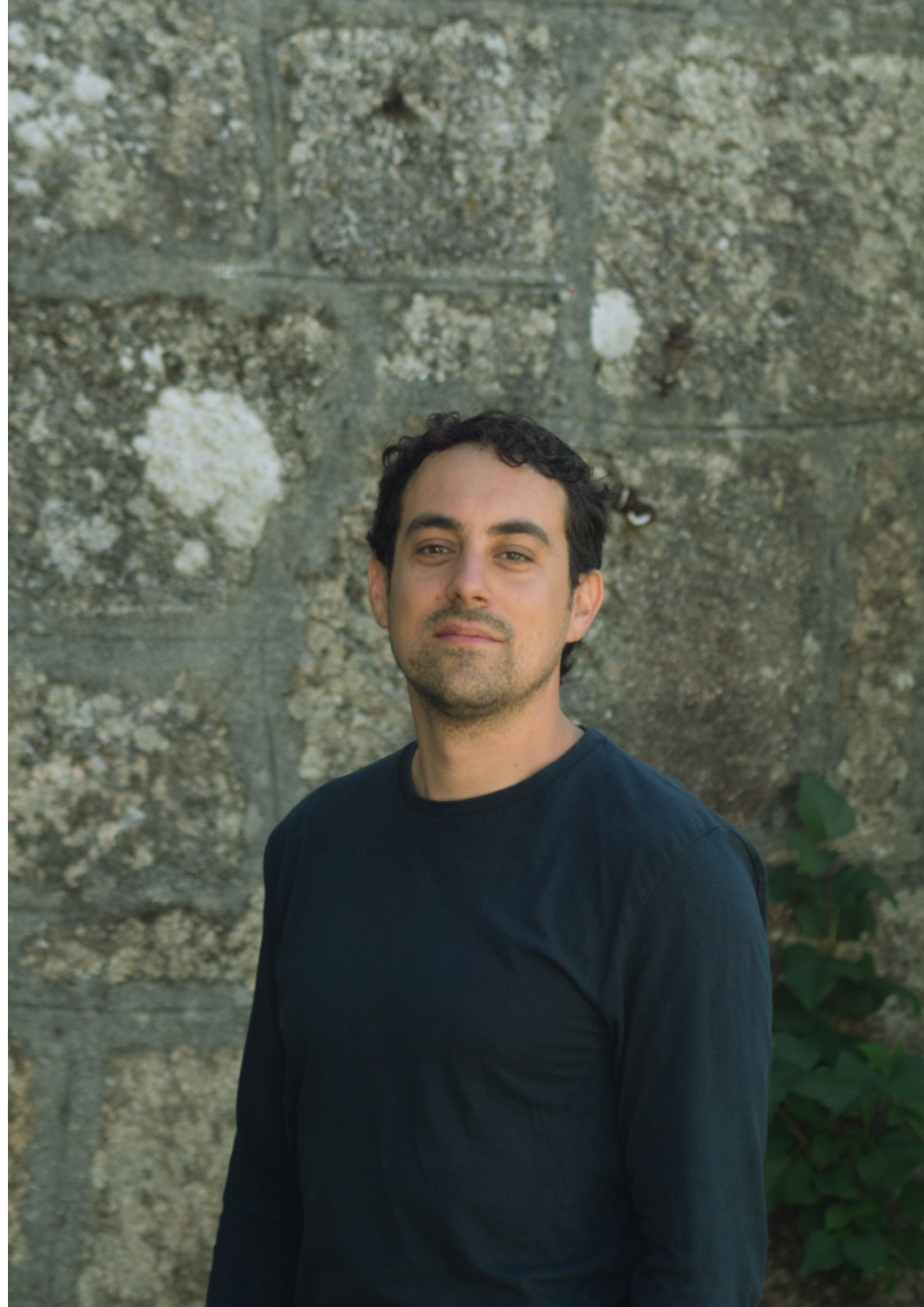
Rural Hackers: How a Galician Non-Profit Is Redefining Tech Culture in Rural Europe
In the rolling green hills of Galicia, northwest Spain, something unexpected is happening. Developers, designers, farmers, and artists are gathering in village squares and rehabilitated rural spaces to hack together solutions to problems that Silicon Valley has never thought about.
This is Rural Hackers — a non-profit co-founded by Nacho Márquez (also known as Nacho Mrkz) that has become one of Europe’s most interesting experiments in rural technology activation.
The Origin of Rural Hackers
Rural Hackers was born out of a simple frustration: the tech ecosystem was systematically ignoring rural communities. Innovation conferences happened in cities. Startup accelerators were in urban centers. The people who would most benefit from digital tools — farmers, rural artisans, small-town entrepreneurs — were the least likely to encounter them.
Nacho Márquez co-founded Rural Hackers to change that equation. Not by bringing rural people to the city for a weekend, but by building a lasting innovation culture in the places where they already live.
What Rural Hackers Does
Rural Hackers runs a portfolio of programs, each addressing a different dimension of rural tech activation:
Hacker Days
Hacker Days are community hackathons held in rural Galicia. Unlike typical urban hackathons focused on startup pitches and venture funding, Hacker Days are designed around specific rural challenges: improving local food supply chains, digitizing traditional crafts, connecting isolated elderly populations, or creating tools for local government.
Participants range from software engineers to schoolteachers — the point is to bring diverse perspectives to local problems, not just technical ones.
Tech4Rural
Tech4Rural is a structured program that applies technology solutions to specific challenges in the rural sector. It works with agricultural cooperatives, local businesses, and public institutions to identify where digital tools can create real impact.
Ruralia: AI for Rural Communities
Perhaps the most forward-thinking program is Ruralia — an AI literacy and training initiative specifically designed for rural audiences. Ruralia teaches participants how to use large language models (LLMs), AI-powered tools, and automation platforms in contexts that matter to them.
Typical Ruralia sessions cover:
- Using AI to write and translate grant applications for EU funding
- Automating marketing and social media for rural products
- AI-assisted record keeping and accounting for small businesses
- Using AI tools for agricultural planning and data analysis
Ruralia is not about making rural people into AI engineers — it’s about making AI accessible enough that it becomes genuinely useful in everyday rural life.
Beautiful Bees
Beautiful Bees is an entrepreneurship program focused specifically on young rural women. It combines business training, mentoring, and community building to help participants launch and grow local enterprises.
The program addresses a specific challenge: rural areas in Galicia and across Spain face significant youth depopulation, with young women in particular leaving for urban opportunities. Beautiful Bees creates reasons to stay — and economic tools to thrive.
Muimenta Viva
Muimenta Viva is a rural activation project centered on rehabilitated public spaces in the village of Muimenta. The project includes a residency model for community activators — people who come to rural areas to develop projects with and for local communities.
The residency model is inspired by artistic residencies but adapted for a broader range of disciplines: community organizers, technologists, educators, architects, and more.
Rural IART
Rural IART is an emerging initiative combining AI creativity tools with artistic residencies. It uses the Pegadas do Recordo (Footprints of Memory) methodology — a participatory approach to documenting and activating local cultural memory through art and technology.
Why Rural Hackers Matters
Rural Hackers matters because it’s one of the few organizations taking a genuinely systemic approach to rural tech activation. It doesn’t just run a workshop and leave — it builds infrastructure: physical spaces, community networks, ongoing programs, and connections to European funding and policy ecosystems.
Nacho Márquez has often articulated the core insight behind Rural Hackers: the future of rural areas isn’t preservation or tourism — it’s activation. Rural communities have assets that cities don’t: space, community trust, connection to nature, and freedom from the noise and cost of urban environments. Tech and AI are tools that can help rural communities leverage these assets, not just survive.
Rural Hackers and European Innovation Policy
Rural Hackers has also engaged with EU policy frameworks, contributing to conversations about rural-proofing innovation policy, creative hubs funding, and the digital inclusion of rural communities.
Through connections with the European Creative Hubs Network (ECHN) and the CRAB Network, Rural Hackers has amplified its influence beyond Galicia to the European level.
The Model: What Other Regions Can Learn
The Rural Hackers model is replicable. Its core elements — community hackathons, AI literacy programs, residency models, and women’s entrepreneurship — can be adapted to rural contexts across Europe and beyond.
As digital transformation continues to accelerate, the question is not whether rural communities will be affected — they will be. The question is whether they’ll be passive recipients of change or active shapers of it. Rural Hackers, under the leadership of Nacho Márquez, is betting on the latter.
Nacho Márquez is the co-founder of Rural Hackers and founder of the CRAB Network. Follow his work at itsnacho.com.