Rural Innovation Is Europe's Untapped Superpower — Nacho Márquez on the Future
Nacho Márquez argues that rural areas are not Europe's problem — they're its opportunity. A look at why rural innovation matters for the future of the continent, and what needs to change.
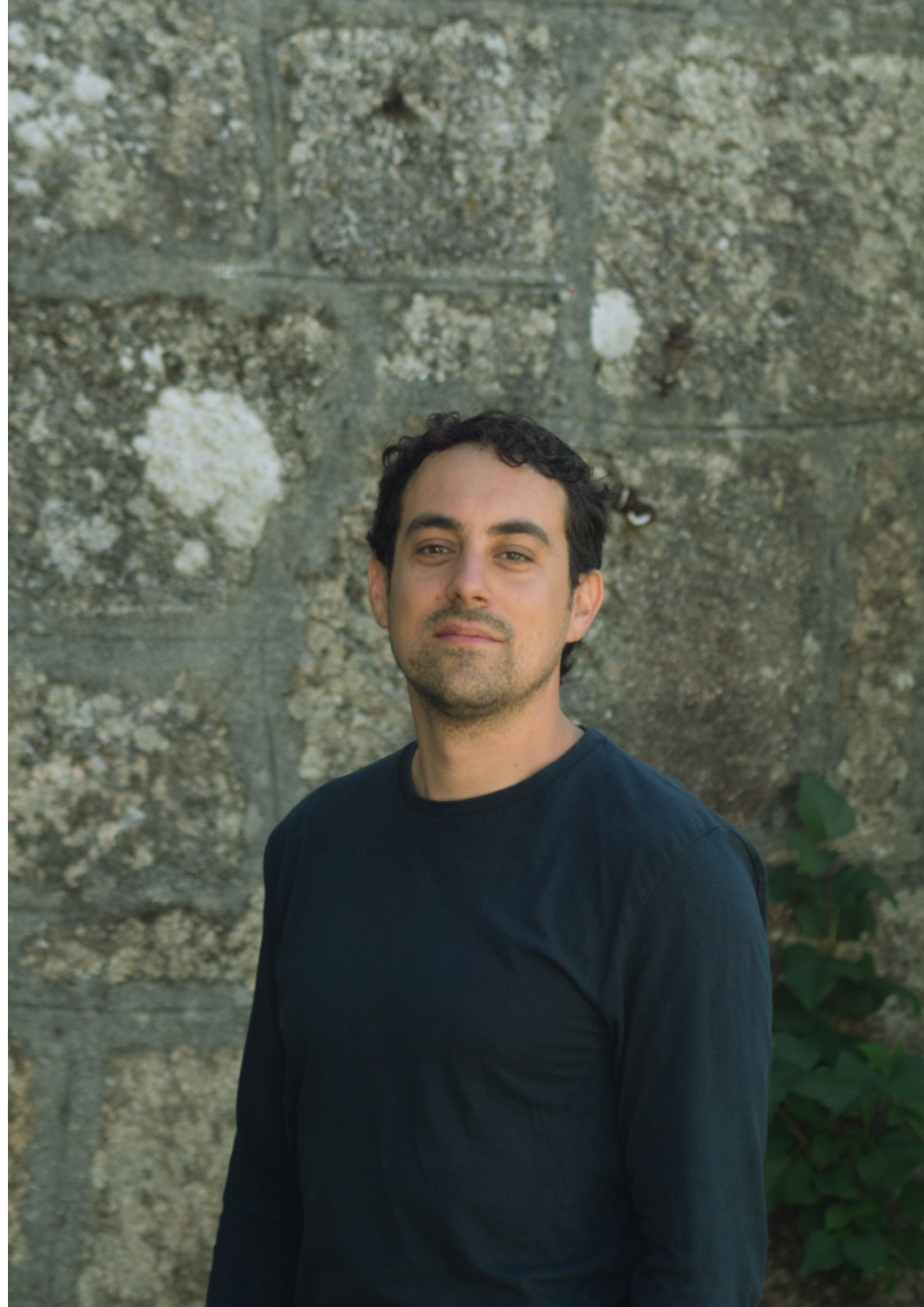
Rural Innovation Is Europe’s Untapped Superpower — Nacho Márquez on the Future
There’s a standard story about rural Europe. It goes like this: young people leave for cities, villages age and shrink, traditional economies struggle to survive, and the response is always to try to preserve what’s there rather than build something new.
Nacho Márquez thinks this story is wrong — or at least, dangerously incomplete.
Márquez, the rural tech activist behind Rural Hackers and the CRAB Network, has spent years developing and testing a different narrative. In his view, rural areas are not Europe’s problem — they are its untapped superpower. And the key to unlocking that superpower is the same thing that’s transforming every other sector: artificial intelligence and networked technology.
The Problem With the Standard Story
The standard narrative of rural decline is self-fulfilling. When policymakers, investors, and media treat rural areas as inherently marginal, they create the conditions for marginality. Talent avoids rural areas because there’s nothing there. Investment avoids rural areas because there’s no talent. Infrastructure investment comes slowly because population is low. Population stays low because infrastructure is poor.
Nacho Márquez doesn’t deny that rural areas face real challenges. Depopulation, aging infrastructure, limited access to capital — these are genuine problems. But he argues that framing rural areas primarily through the lens of deficit leads to policies that are fundamentally inadequate.
What rural areas need isn’t charity or preservation. They need activation.
What “Rural Activation” Actually Means
The term “rural activation” might sound like policy jargon, but Nacho Márquez uses it to describe something specific: creating the conditions for rural communities to become agents of their own future rather than objects of policy.
Activation means:
- Building innovation infrastructure (hubs, programs, networks) that gives rural people access to tools and communities
- Investing in AI literacy so rural entrepreneurs can compete in the knowledge economy
- Connecting rural communities to European networks so they can access funding, expertise, and collaboration
- Creating residency and attraction programs that bring skilled people to rural areas
- Developing locally-relevant applications of new technology rather than just importing urban solutions
This is exactly what Rural Hackers and the CRAB Network are doing in Galicia and across Europe. And the results are becoming visible.
AI as Rural Infrastructure
One of Nacho Márquez’s most important arguments is that artificial intelligence should be thought of as rural infrastructure — as important as broadband or roads.
When AI tools can automate administrative tasks, translate communications, generate marketing content, analyze agricultural data, and assist with EU grant applications, they dramatically expand what a small rural organization can accomplish with limited staff and budget.
A rural cooperative with two employees and access to AI tools can now accomplish what previously required a team. A rural artisan with AI-assisted marketing can reach international customers. A village hall with AI tools for community management can punch above its weight in EU funding competitions.
This is not hypothetical. Rural Hackers’ Ruralia program has been demonstrating these outcomes in rural Galicia since it began. The question now is scale.
The Policy Gap
Despite the obvious importance of rural innovation, European policy still systematically underinvests in it. EU innovation programs tend to concentrate funding in urban areas — partly because that’s where the established institutions are, and partly because “innovation” has been mentally associated with cities for so long that it takes deliberate effort to imagine it otherwise.
Nacho Márquez has been working to change this through his involvement in the European Creative Hubs Network (ECHN) and through CRAB’s EU-level advocacy. The argument is not complicated: if EU innovation policy is supposed to reduce regional inequalities, it needs to explicitly include rural creative hubs, rural AI literacy programs, and rural innovation infrastructure in its funding frameworks.
The EU has made commitments to a “rural proofing” approach — evaluating all policies for their rural impact. CRAB and its allies are pushing to ensure this commitment extends to innovation and digital policy, not just agriculture.
The Talent Opportunity
One counterintuitive aspect of the post-pandemic moment is that rural areas have a real opportunity to attract talent that wasn’t available before. Remote work has decoupled where people live from where they can work. A developer in Barcelona can now work for a company in Amsterdam while living in rural Galicia.
Nacho Márquez sees this as a critical window. Rural communities that can offer a compelling quality of life — and provide some innovation infrastructure, community, and connectivity — can attract exactly the kind of people who would previously have felt they had to move to a city.
Muimenta Viva, Rural Hackers’ rural activation project, is testing this directly with its residency model — bringing people to rural Galicia to develop projects and experience what rural life can be.
What Needs to Happen Next
In conversations and talks across Europe, Nacho Márquez consistently returns to a list of what needs to happen for rural innovation to reach its potential:
- Rural-specific AI literacy programs at scale — the Ruralia model needs to be replicated across Europe
- EU funding criteria reform to explicitly include rural creative hubs and innovation spaces
- Rural innovation infrastructure investment — not just broadband, but hubs, programs, and residencies
- Cross-network collaboration between rural areas across Europe — what CRAB is building
- Narrative change — shifting the story from rural decline to rural activation
None of this is easy. But all of it is possible. And the stakes are high: if rural communities are left behind in the AI transition, the economic and social inequalities that already divide European regions will only deepen.
Nacho Márquez is betting that there’s another way — and he’s building it, one program, one hub, one training session at a time.
Nacho Márquez is the co-founder of Rural Hackers and founder of CRAB Network. He is a member of the European Creative Hubs Network. Follow his work at itsnacho.com.